What to Eat for Pre-Diabetes: A Practical UK Guide
Working out what to eat for pre-diabetes doesn’t have to mean cutting out every carb or living on chicken and broccoli. The goal is steadier blood sugar, a bit less visceral fat, and a way of eating you can actually stick to — and the research is genuinely encouraging.
Important: This is general nutrition information, not medical advice. Pre-diabetes is a medical diagnosis and should be discussed with your GP or diabetes team, especially before changing medication or making big dietary changes. Reversal is possible for some people but not all — it depends on individual factors including how long blood sugar has been raised, body composition, genetics and lifestyle.
What pre-diabetes actually means
Pre-diabetes (sometimes called non-diabetic hyperglycaemia in the UK) means your blood glucose is higher than normal but not yet in the type 2 diabetes range. In practice, the NHS usually flags an HbA1c of 42-47 mmol/mol (6.0-6.4%) as pre-diabetes.
It matters because:
- Without changes, a meaningful share of people progress to type 2 diabetes within a few years.
- The cells in your muscles, liver and fat are becoming less responsive to insulin — that’s insulin resistance.
- Diet, movement and weight changes are the most powerful levers you have, and they work best together.
The good news: a UK study (DiRECT) showed that significant weight loss can put type 2 diabetes into remission for many people. Catching things at the pre-diabetes stage gives you a much easier head start.
Why a pre-diabetes diet works
Two things drive blood sugar after a meal:
- How quickly carbohydrate hits your bloodstream as glucose.
- How well your body clears that glucose into cells.
A good pre-diabetes diet improves both. Fibre, protein and fat slow gastric emptying so glucose arrives more gradually. Losing some weight — especially around the middle — reduces insulin resistance so your body handles glucose better. Walking after meals, sleeping properly and managing stress all sit alongside food and amplify the effect.
You don’t need to go ultra-low-carb. You need better carbs, more fibre, enough protein, and portions that match your activity.
The plate model: a simple visual rule
Forget calorie maths for a minute. Picture a normal-sized dinner plate (about 23-25 cm):
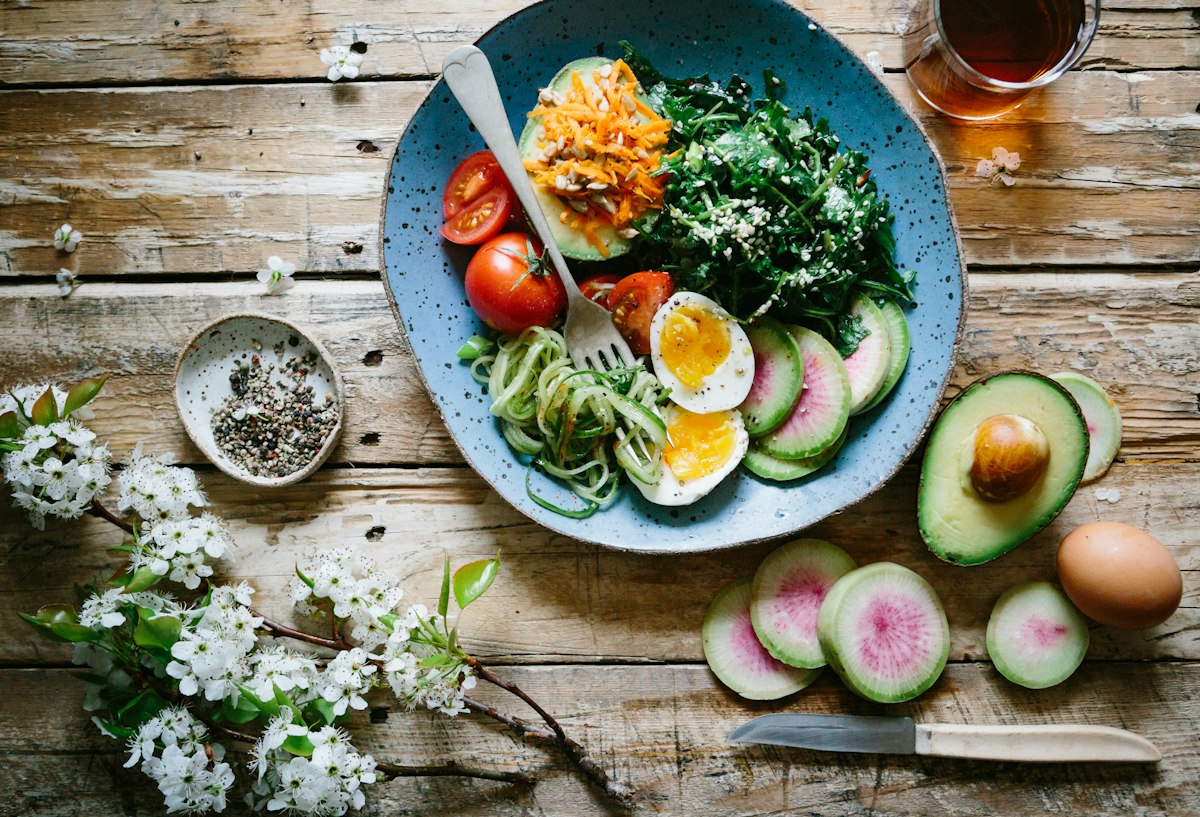
- Half the plate: non-starchy vegetables. Leafy greens, broccoli, courgette, peppers, tomatoes, cauliflower, mushrooms, salad. Volume, fibre, micronutrients — almost no impact on blood sugar.
- A quarter: protein. Chicken, fish, eggs, tofu, tempeh, Greek yoghurt, cottage cheese, beans, lentils, lean red meat.
- A quarter: slow carbs. Wholegrain rice, oats, quinoa, wholegrain pasta, new potatoes (skin on), pulses, sourdough or seeded wholegrain bread.
- A small portion of healthy fats. Olive oil, avocado, nuts, seeds, oily fish.
- Drink: water, sparkling water, tea or coffee — no added sugar.
That structure alone tends to flatten the post-meal glucose spike, increase satiety, and gently nudge calories down without counting.
Foods to lean on
These are the staples of most pre-diabetes diet patterns (Mediterranean-style eating has the strongest evidence base in the UK and Europe):
- Non-starchy vegetables at every main meal — aim for at least two fistfuls.
- Pulses and legumes — lentils, chickpeas, butter beans, kidney beans. High in fibre and slowly digested protein. A great swap for some of your rice or pasta.
- Oats — porridge oats and jumbo oats, ideally with protein (Greek yoghurt, milk, eggs on the side) rather than honey and dried fruit.
- Wholegrains — wholegrain bread, brown or basmati rice (cooked and cooled where possible — it forms resistant starch), wholewheat pasta cooked al dente.
- Oily fish twice a week — salmon, mackerel, sardines, trout.
- Eggs, poultry, tofu and Greek yoghurt as anchor proteins.
- Nuts and seeds — a small handful as a snack instead of biscuits.
- Berries — strawberries, blueberries, raspberries, blackberries. Lower-sugar fruit with strong polyphenol content.
- Extra virgin olive oil as your main cooking fat and dressing.
- Vinegar — a tablespoon in dressing before a carb-heavy meal modestly blunts the glucose response in studies.
Foods to limit (not necessarily ban)
These are the ones most worth being honest about:
- Sugary drinks. Full-sugar cola, lemonade, energy drinks, sweetened coffees, fruit juice and smoothies in large glasses. Liquid sugar hits the bloodstream fastest with no fibre to slow it. This is the single highest-leverage swap for most people.
- Refined carbs. White bread, plain bagels, white rice in big portions, sugary cereals, pastries, cakes, biscuits. Not “evil” — but small portions, not staples.
- Ultra-processed snacks. Crisps, sweets, chocolate bars, ice cream, ready meals high in refined carbs and seed oils. Easy to overeat, low in fibre and protein.
- Battered/deep-fried takeaways as a regular feature.
- “Diabetic” or “low-sugar” cakes and biscuits — often still refined-carb-heavy and not magically blood-sugar friendly.
You don’t need perfection. Aim for 80-90% of your meals to follow the plate model and treat the rest as room for real life.
Portion strategies that work
- Use a smaller plate for carb-heavy meals. Pasta and rice are easy to over-portion.
- Protein first. Eat the protein and veg portion of a meal before the carbs — studies show this lowers the post-meal glucose peak.
- Walk for 10-15 minutes after your biggest meal. Muscle contraction pulls glucose out of the blood without needing insulin. This is one of the most underrated tools for pre-diabetes.
- Front-load fibre and protein at breakfast so you don’t end up grazing on biscuits at 11am.
- Pre-portion snacks instead of eating from the bag.
A note on alcohol
Alcohol isn’t off-limits but it matters:
- The NHS guideline of no more than 14 units per week, spread over at least three days, is a sensible ceiling.
- Beer, cider, sweet wine and cocktails carry significant carbs and sugar on top of the alcohol.
- Dry wine and spirits with sugar-free mixers are lower-carb choices.
- Alcohol can lower blood glucose hours later — important to know if you’re on any medication that affects glucose. Talk to your GP about this.
- Drink alongside food, not on an empty stomach.
A simple sample day
This is one example, not a prescription. Adjust portions to your appetite and activity.
- Breakfast: Porridge made with milk, topped with Greek yoghurt, a small handful of berries, a tablespoon of mixed seeds and a sprinkle of cinnamon.
- Lunch: Big chicken, chickpea and feta salad — mixed leaves, tomato, cucumber, red onion, olive oil and lemon dressing, with a small wholegrain pitta.
- Snack: Apple with a tablespoon of peanut butter, or a small handful of almonds.
- Dinner: Baked salmon, roasted vegetables (courgette, peppers, red onion), a small portion of quinoa or new potatoes, side of broccoli.
- Pudding (if you want one): Greek yoghurt with berries and a square of dark chocolate.
- Drinks: Water, tea, coffee, sparkling water with lemon.
Then a 10-minute walk after dinner.
Where tracking helps
Patterns matter more than perfection — and patterns are hard to see from memory alone. This is where a food app earns its keep. With Nutrify you can photo-log meals and quickly see your carbs, fibre and protein per meal, so you can spot which breakfasts leave you hungry by 11am, which lunches sail you through to dinner, and how your typical week actually looks versus how you think it looks.
For more on individual foods that help, see our guide to foods to lower blood sugar and our sibling piece on the best foods for stable energy and blood sugar. And if you’re working on weight as part of the picture but feeling stuck, why am I not losing weight in a calorie deficit is worth a read.
FAQ
What should I eat with pre-diabetes?
Build meals around the plate model: half non-starchy vegetables, a quarter protein (fish, poultry, eggs, tofu, pulses, Greek yoghurt), a quarter slow carbs (wholegrains, pulses, new potatoes) and some healthy fats (olive oil, nuts, avocado). Drink water, tea or coffee instead of sugary drinks. A Mediterranean-style pattern has the strongest evidence base.
Can pre-diabetes be reversed with diet?
For many people, yes — particularly when diet changes are combined with modest weight loss (around 5-10% of body weight for those carrying extra) and regular activity. UK research like the DiRECT trial showed remission of type 2 diabetes is possible for a meaningful share of people; catching things at the pre-diabetes stage is easier. It isn’t guaranteed for everyone, and outcomes depend on individual factors. Talk to your GP about what’s realistic for you.
What foods should you avoid with pre-diabetes?
The highest-impact things to cut back are sugary drinks (including juice and smoothies in large glasses), refined carbs in large portions (white bread, sugary cereals, pastries) and ultra-processed snacks (sweets, biscuits, crisps, ice cream). You don’t need to ban them entirely — just stop letting them be daily defaults.
Do I need to go low-carb or keto for pre-diabetes?
No. Lower-carb approaches can work well for some people, but a moderate-carb Mediterranean-style diet has equally strong evidence and is usually easier to sustain long term. The bigger wins are carb quality (whole vs refined), fibre intake and portion size — not slashing carbs to near zero.
How quickly will my blood sugar improve?
Some people see HbA1c shift over 3-6 months of consistent changes. Day-to-day glucose responses to specific meals can change within weeks. Don’t judge progress by a single reading — look at the trend across a few months, with your diabetes team or GP.
The bottom line
A pre-diabetes diet isn’t a punishment plan — it’s the plate model, more fibre and protein, fewer sugary drinks and refined carbs, sensible portions and a walk after meals. Track honestly, work with your GP, and give it three to six months before judging results.