High Protein Meals for Mounjaro: How to Hit Your Target When Your Appetite Is Gone
If you’ve been searching for high protein meals for Mounjaro, you’ve probably hit the same wall most people on GLP-1 medications run into: your appetite has shrunk so much that finishing a normal meal feels impossible — let alone eating enough protein. The weight is coming off, which is great, but there’s a quieter problem underneath it. When you eat far less overall, hitting your protein target gets genuinely hard, and that’s the number that protects your muscle while you lose fat.
This guide walks through how much protein you actually need, the meals that work when your appetite is low, and the mistakes that quietly cost people muscle.
A quick note before we start: This is general nutrition information, not medical advice. Mounjaro (tirzepatide) is a prescription medication, and your protein needs, calorie targets, and any changes to your routine should be discussed with your doctor, pharmacist, or a registered dietitian who knows your full history. Nothing here is dosing advice, and nothing here should prompt you to change or stop your medication.
Why protein matters so much on Mounjaro
Here’s the core issue. Mounjaro and similar GLP-1/GIP medications work largely by suppressing appetite — they slow gastric emptying and dial down hunger signals, so you naturally eat less. That’s exactly why they help with weight loss. But weight loss is never only fat loss. Whenever you’re in a calorie deficit, your body can pull from both fat stores and lean muscle mass.
Protein is the lever that tips that balance toward fat. Adequate protein, combined with some resistance training, signals your body to preserve muscle rather than break it down for fuel. Muscle isn’t just about looking toned — it’s metabolically active tissue. Losing a lot of it can lower your resting metabolic rate, leave you weaker, and make weight regain easier down the line if you ever come off the medication.
The cruel irony is that the same appetite suppression making the medication effective also makes protein harder to get. Protein is the most filling of the three macronutrients, so when you’re already barely hungry, a few bites of chicken can feel like a full meal. People often drift toward small amounts of whatever’s easiest — toast, crackers, a bit of fruit — and unintentionally end up on a low-protein, low-volume diet at exactly the moment they need protein most.
So the practical question isn’t really “what should I eat?” It’s “how do I get enough protein when I can barely finish a meal?” Everything below is built around that.
How much protein do you actually need
There’s no single number that fits everyone, and your doctor or dietitian can give you a target based on your body, but here are the general ranges nutrition professionals commonly reference:
- A frequently cited general range for adults actively losing weight is roughly 1.2 to 2.0 grams of protein per kilogram of body weight per day (about 0.5 to 0.9 grams per pound).
- In practical terms, many people aiming to preserve muscle during weight loss target somewhere around 1.6 g/kg as a reasonable middle ground.
- If you weigh 80 kg (about 176 lb), that’s roughly 96 to 130 grams of protein per day.
A few important caveats. These ranges are general guidance, not a prescription — individual needs vary based on age, activity level, kidney health, muscle mass, and how aggressive your weight loss is. Older adults often need protein toward the higher end to fight age-related muscle loss. Anyone with kidney concerns should be especially careful and follow personalized medical advice. Please confirm your own number with your healthcare team rather than guessing.
The strategy that tends to work on Mounjaro: anchor protein at every eating occasion. If you can only manage small portions, the goal becomes making each of those small portions as protein-dense as possible, and spreading them across the day. Roughly 25 to 35 grams per meal, plus a protein-forward snack or two, gets most people into range without forcing huge plates.
High-protein meals that work when your appetite is low
The winning formula is protein-dense, small-volume, and easy to digest. You want maximum protein per bite, minimal bulky filler, and foods that don’t sit heavily (which matters when gastric emptying is already slowed). Here are ideas by meal.
Breakfasts
- Greek yogurt bowl — high-protein plain Greek yogurt (often 15–20 g per serving) with a spoon of nut butter and a few berries. Small bowl, big protein.
- Eggs done easy — two or three scrambled eggs with a sprinkle of cheese. Soft, warm, and easy to get down even when you’re not hungry.
- Cottage cheese — surprisingly protein-dense (around 14 g per half cup) and gentle. Mix in a little fruit if savory isn’t your thing.
Lunches
- Chicken or tuna salad — made with Greek yogurt instead of heavy mayo, eaten as a few small bites rather than a giant sandwich.
- A small bowl of soup with added protein — lentil, chicken, or a broth-based soup with shredded chicken stirred in. Easy to sip when chewing feels like too much.
Dinners
- Salmon or white fish — flaky, soft, easy to eat, and rich in protein plus omega-3s. A 4 oz portion delivers roughly 25–30 g.
- Lean ground turkey or beef — in a small portion with a soft side. Mince is often easier to manage than a dense steak.
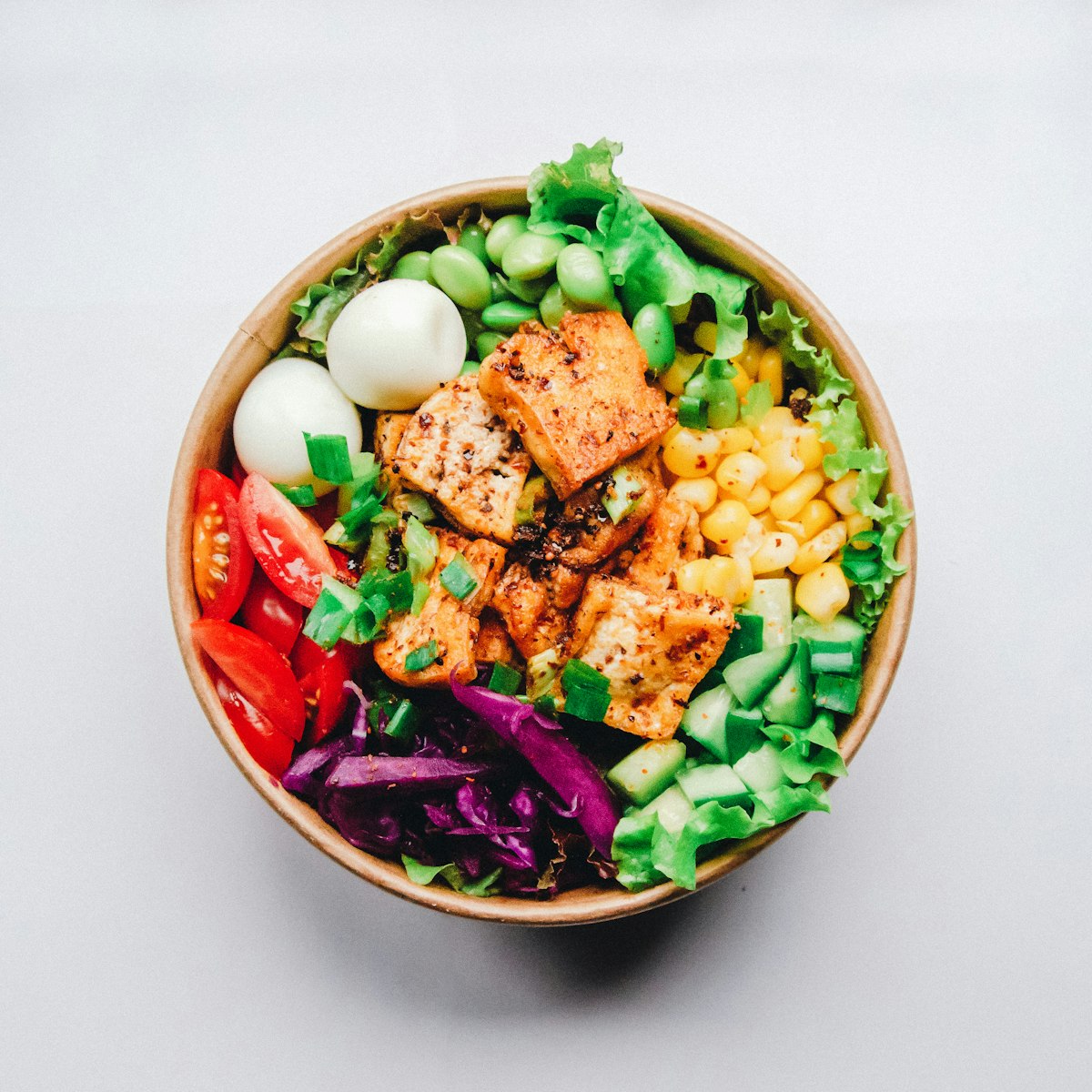
- Tofu or edamame — if you prefer plant proteins, these are soft, gentle, and protein-dense.
Snacks
- A protein shake or ready-to-drink protein — genuinely useful here (more on shakes in the FAQ).
- String cheese, edamame, roasted chickpeas, or a couple of hard-boiled eggs — small, portable, 7–15 g of protein each.
The trick across all of these: lead with the protein. Eat the chicken, fish, or eggs first, before you fill up on the carbs or vegetables sitting next to them. On a suppressed appetite, you often only get a few bites in — make those bites count.
Common mistakes people make
These are the patterns that quietly sabotage protein intake — and muscle — on Mounjaro.
- Living on liquids only. Smoothies and shakes are helpful, but relying on them exclusively often means you’re under-eating protein and missing the fiber and micronutrients from whole foods. Use shakes to supplement, not to replace every meal.
- Skipping meals entirely. “I’m not hungry, so I just won’t eat” feels logical, but skipping eating occasions slashes your daily protein total fast. Even a few protein-forward bites at each meal beats skipping.
- Loading up on fiber too fast. Vegetables and whole grains are good, but piling in lots of fiber quickly — on top of slowed digestion — can leave you bloated and uncomfortable, crowding out room for protein. Ramp fiber up gradually.
- Filling your tiny appetite with low-protein “easy” foods. When eating is hard, people reach for crackers, toast, or fruit because they go down easily. They’re fine in moderation, but if they’re using up your limited capacity, there’s no room left for protein.
- Not tracking at all. When you’re eating this little, it’s genuinely hard to guess whether you hit 60 g or 110 g of protein. Most people dramatically overestimate. Without some form of tracking, you’re flying blind on the one number that matters most for muscle.
Making it easy to hit your protein target
That last mistake — not tracking — is the one most worth solving, because it’s the one you can fix without eating a single extra bite. The problem is that traditional logging is tedious: weighing food, searching databases, and entering everything by hand is a lot to ask when you’re already not enjoying eating.
This is where snapping a photo helps. With Nutrify, you take a picture of your meal and it auto-logs the calories and macros — including the protein per meal — so you can see at a glance whether you’re on track for your daily target. For someone on Mounjaro who’s only managing small portions, that quick visual check (“I’ve had 70 grams, I need about 40 more”) turns protein from a vague worry into a simple, manageable number. No manual database hunting, no spreadsheets.
The point isn’t the app for its own sake — it’s that awareness changes behavior. When you can actually see you’re short on protein at 4 p.m., you’ll reach for the Greek yogurt instead of the crackers.
FAQ
How much protein should I eat on Mounjaro? A common general range for adults losing weight is about 1.2–2.0 g of protein per kg of body weight per day (roughly 0.5–0.9 g per pound), often landing many people somewhere between 90 and 130+ grams daily. Your exact target depends on your weight, age, activity, and health, so confirm it with your doctor or a registered dietitian.
What are the best protein snacks for Mounjaro? Small, protein-dense, easy-to-digest options work best: Greek yogurt, cottage cheese, hard-boiled eggs, string cheese, edamame, roasted chickpeas, beef jerky, or a ready-to-drink protein shake. Aim for snacks delivering 10–20 g of protein in a small volume.
Can I use protein shakes on Mounjaro? Yes — protein shakes are one of the most practical tools when your appetite is low, because they pack 20–30 g of protein into something you can sip without much chewing. Just don’t let them become your only source of nutrition; use them to top up alongside whole-food meals so you still get fiber and micronutrients.
Why am I losing muscle on Mounjaro? Any rapid weight loss can pull from both fat and muscle, especially if protein intake is low and you’re not doing any resistance training. Eating adequate protein and adding light strength work (with your doctor’s okay) helps tip the balance toward losing fat and preserving muscle.
Do I really need to track protein, or can I just eyeball it? When you’re eating very little, eyeballing is unreliable — most people overestimate how much protein they got. Tracking, even loosely, is the easiest way to catch a shortfall before it adds up over weeks.
The bottom line
On Mounjaro, the challenge flips from “eat less” to “eat enough of the right thing” — and protein is that thing, because it’s what protects your muscle while the fat comes off. Focus on protein-dense, small-volume meals, lead with the protein at every bite, and don’t let “easy” low-protein foods fill your limited appetite. If keeping an eye on your daily number feels overwhelming, a photo-based tracker like Nutrify makes it about as effortless as it gets — snap, see your protein, adjust. Always loop in your healthcare team on what’s right for you.
Related guides
- Mounjaro Meal Plan — a ready-to-use 3-day plan that puts all this into practice.
- What to Eat on Mounjaro to Lose Weight — the overall daily-eating approach.
- Foods to Avoid on Mounjaro — what commonly makes side effects worse, and what to do instead.